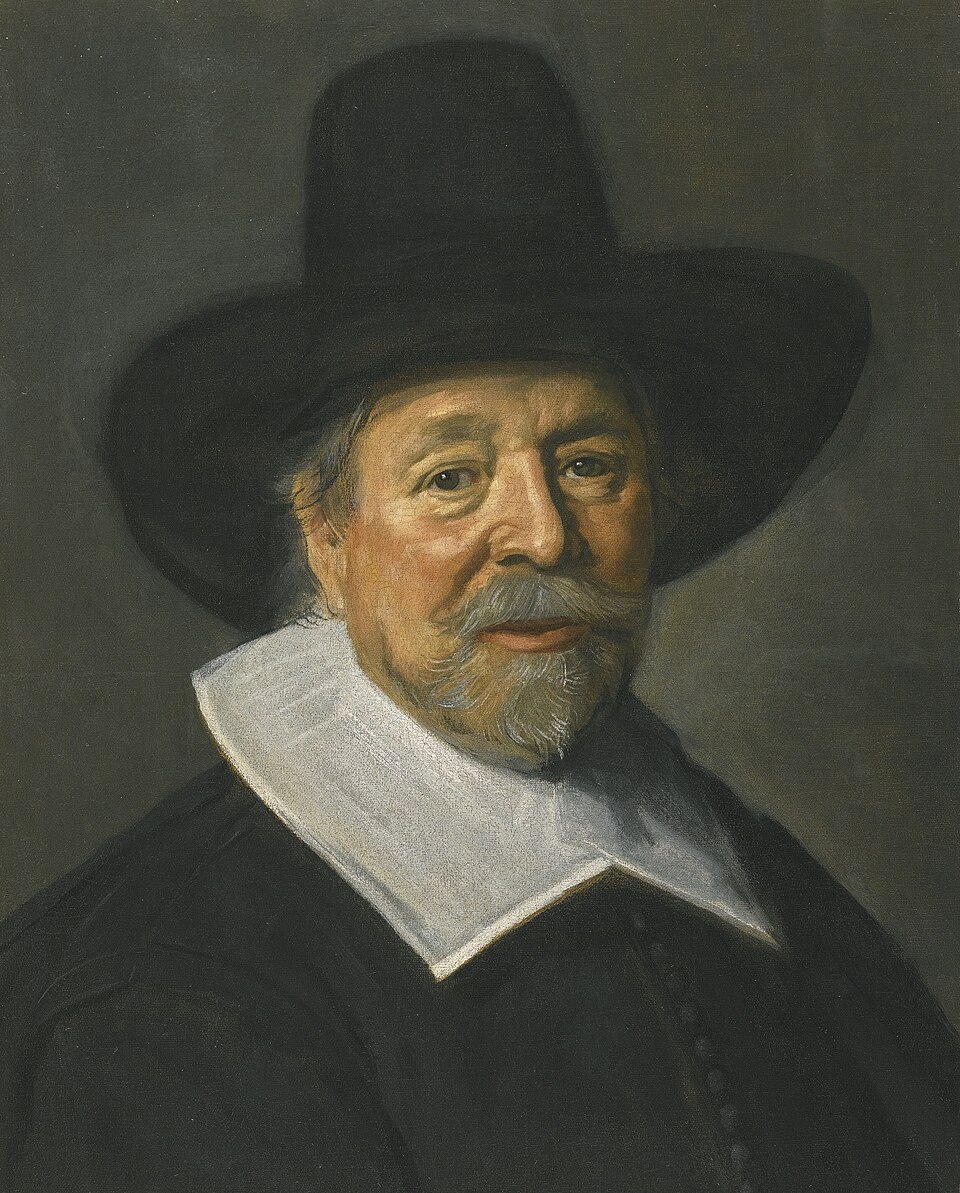
The American Livingstons begin not with land or money but with a stubborn conscience. John Livingstone, a popular Scottish Covenanting preacher, was banished after refusing to conform to the religious settlement imposed after the Restoration.
His exile to Rotterdam shaped everything that followed. His son Robert grew up bilingual in Dutch and English, a skill that made him unusually useful in Albany and helped him build the family fortune.
In 1663 his father, a Presbyterian minister, was exiled to Holland, where Robert learned Dutch customs.
Lawrence H. Leder, Robert Livingston, 1654-1728, and the Politics of Colonial New York
A Faith Worth Exile
John Livingstone was born at Monyabroch, the older name for Kilsyth, on June 21, 1603. He became minister at Ancrum and one of the best-known Presbyterian preachers of his generation.
Summoned before the authorities in Edinburgh in December 1662, he was sentenced to banishment and sailed for Rotterdam in April 1663. He died there in 1672, still an exile.
The hinge of the family story
Had John conformed, Robert Livingston might never have grown up bilingual in Dutch, and the American family story would likely have taken a very different shape.
A Son Crosses the Atlantic
Robert Livingston was born at Ancrum in 1654 and followed his father to the Dutch Republic as a boy. In 1673, at eighteen, he emigrated to North America and settled in Albany.
Albany was still deeply Dutch in language and culture. Robert became secretary to Nicholas Van Rensselaer, town clerk of Albany, secretary to the Commissioners for Indian Affairs, and eventually the colony's long-serving Secretary for Indian Affairs.
The 1686 Patent
Robert began acquiring land from the resident Mohican people along the Hudson. On July 26, 1686, Governor Thomas Dongan consolidated those purchases into the Lordship and Manor of Livingston.
| Feature | Detail |
|---|---|
| Patent granted | July 26, 1686, by Governor Thomas Dongan |
| Size | About 160,000 acres, though some early surveys cite about 125,000 |
| Location | Between the Hudson River and the Massachusetts border |
| Annual quitrent | 28 shillings sterling, paid at Albany each March 25 |
| Privileges | Court leet, court baron, and advowson |
| Modern footprint | Livingston, Germantown, Clermont, Taghkanic, Gallatin, Copake, and Ancram, Columbia County |
Royal Confirmation and Settlement
Robert secured a royal charter from King George I in 1715, confirming the manor and giving it its own seat in the colonial legislature. He built the Manor House around 1699 near the Roeloff Jansens Kill.
Settlement accelerated after 1710, when Robert sold about 6,000 acres to Queen Anne for German Palatine refugees. The Crown's naval-stores plan failed, but the tenant economy that followed helped sustain the manor for generations.