Places
Historic estates, manors, churches, and landmarks of the Livingston family - spanning over 340 years across the Hudson Valley and beyond.
Showing 25 of 25 places
Ancestral Origins — Scotland & Colonial America
6 places
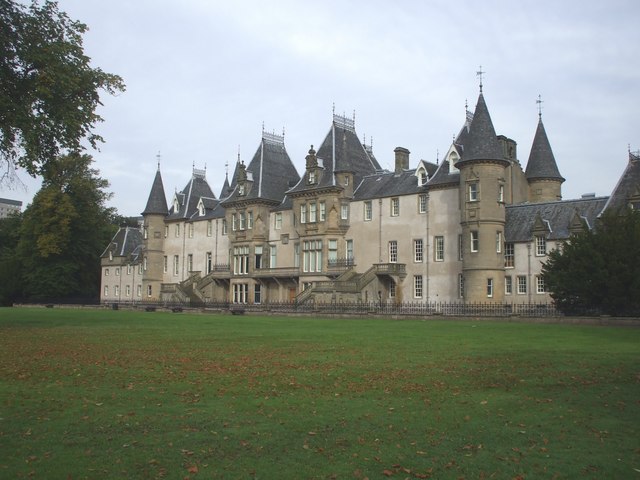
Callendar, Falkirk
Callendar House near Falkirk was the seat of the senior Livingston line — the earls of Linlithgow and Callendar — until the estate was forfeited after the 1715 Jacobite rising. A descendant later named Callendar House in Tivoli, NY as a nod to this Scottish original. Today it is a museum set in Callendar Park.
Wikipedia (Callendar House) | Clan Livingstone history
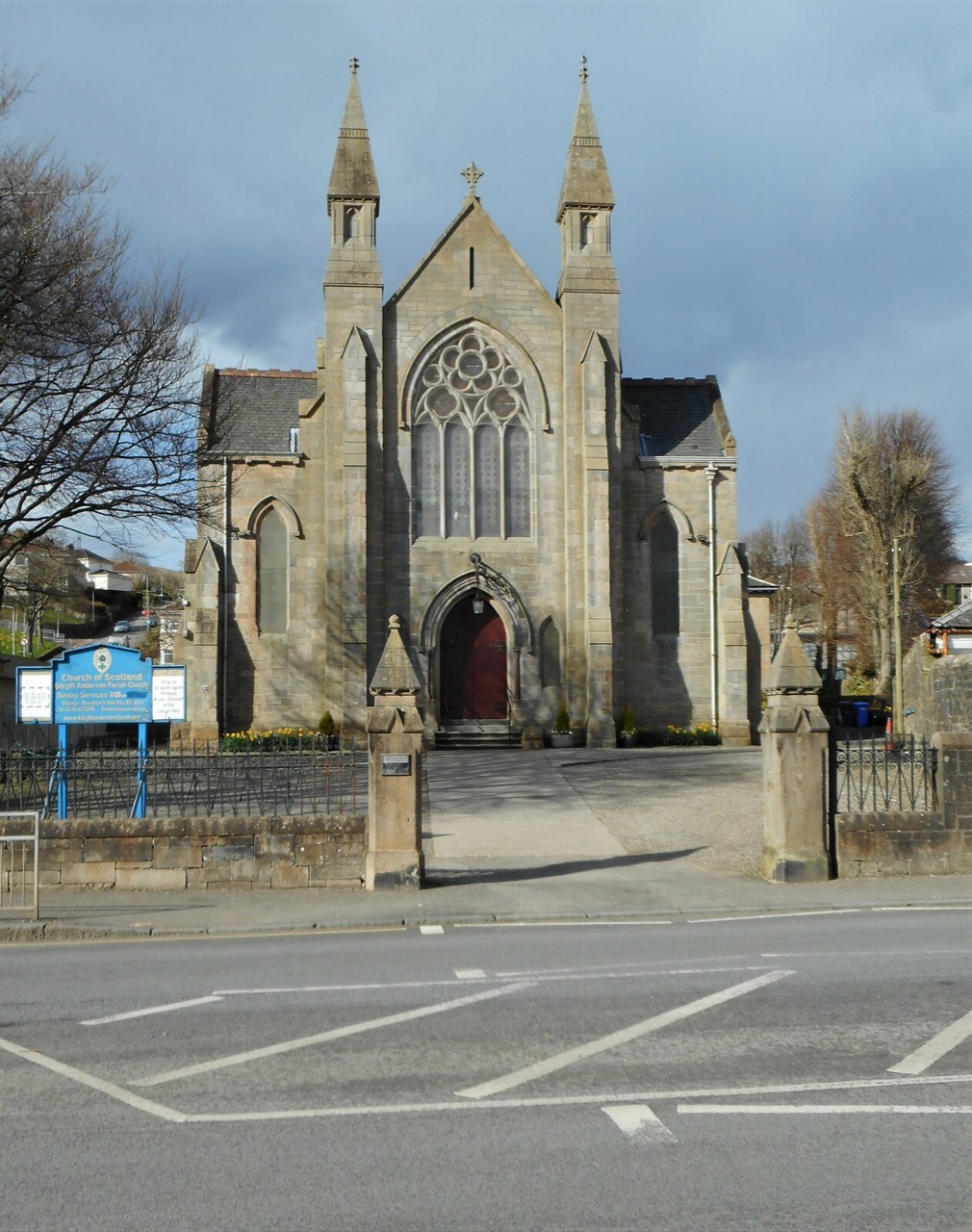
Kilsyth (Monyabroch)
Monyabroch was the old name of the parish of Kilsyth, where Rev. John Livingston — the family patriarch — was born in 1603 while his father William served as minister. John's Presbyterian convictions and later exile set the family's transatlantic story in motion.
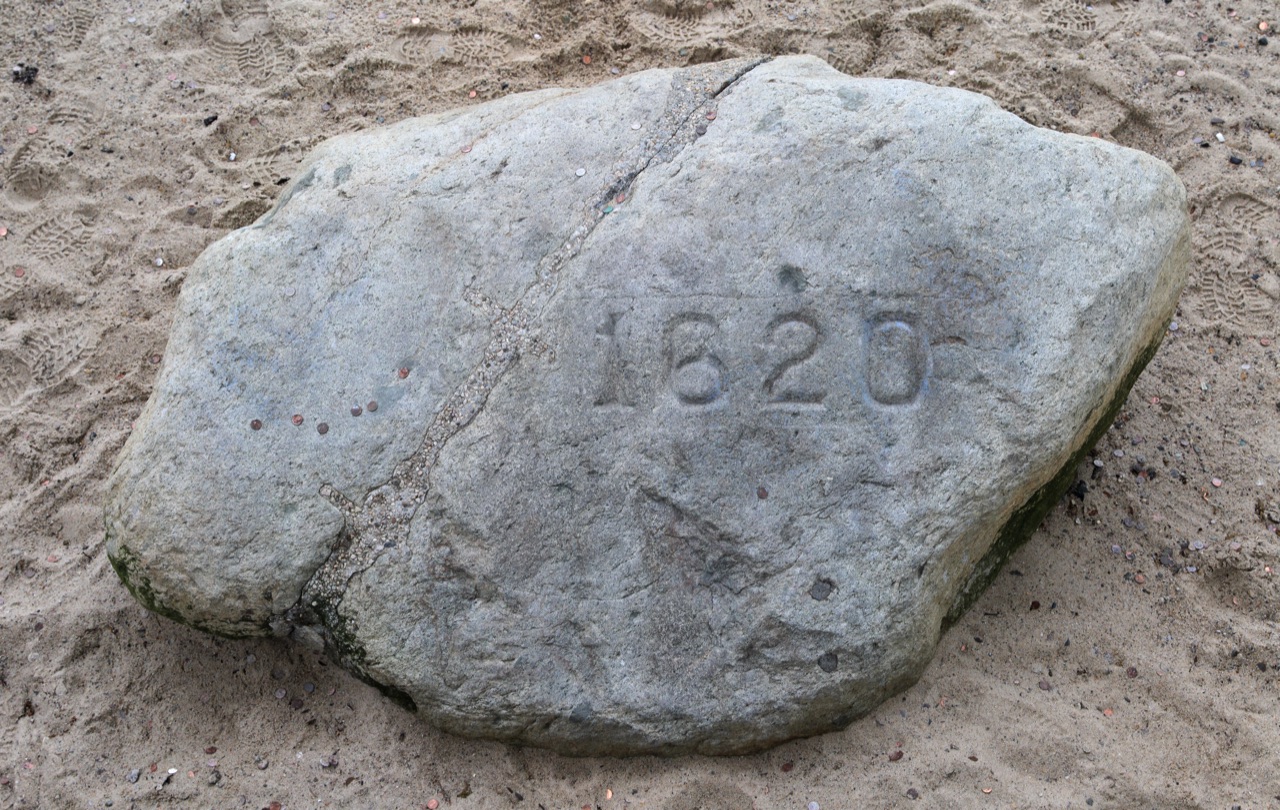
Plymouth Colony
The 1620 Mayflower landing and first permanent English colony in New England. Several of the family's colonial lines — the Hopkins, Snow, and Rogers families — descend from Plymouth's founding passengers, threading a Pilgrim ancestry into the later Livingston story.
Wikipedia (Plymouth Colony) | Mayflower Society lineages
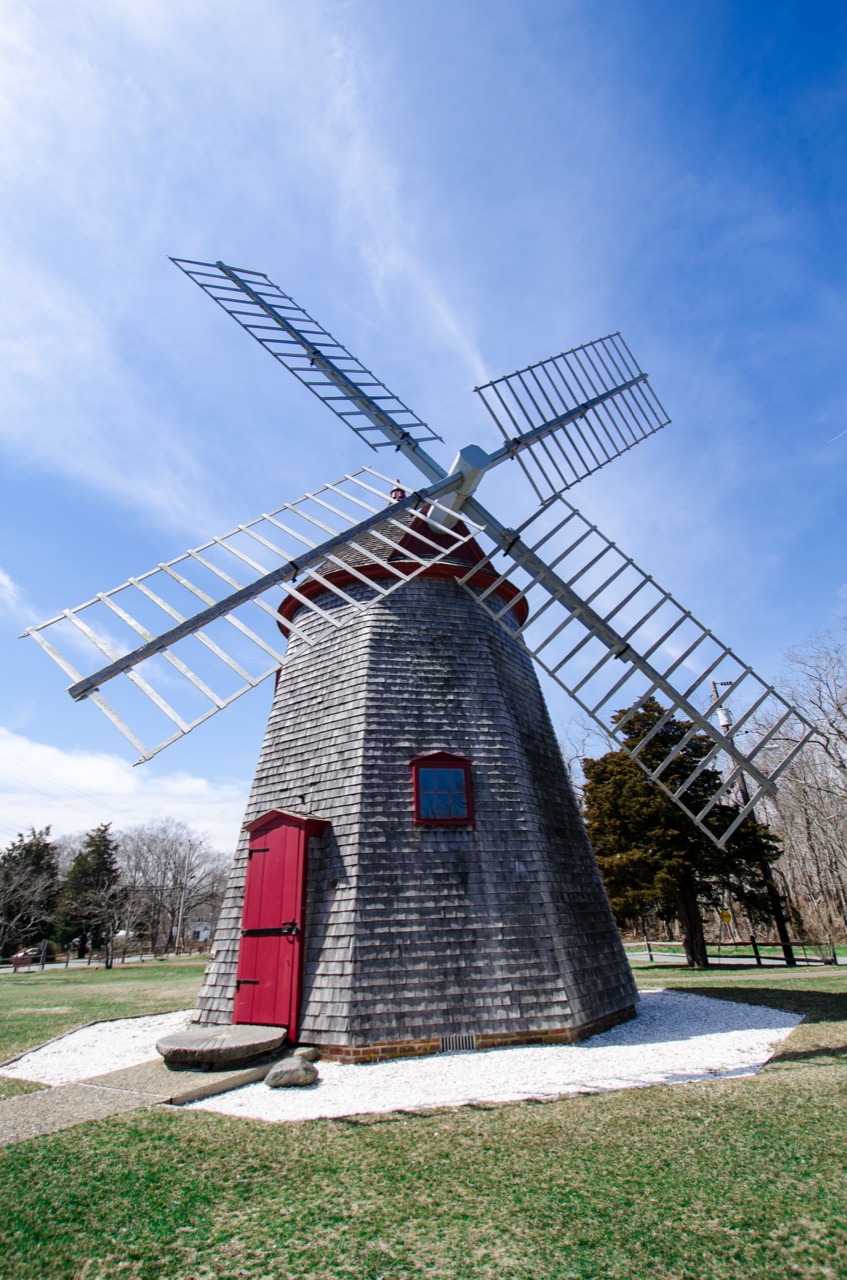
Eastham, Cape Cod
Cape Cod town settled in the 1640s by Plymouth families including Nicholas Snow and Constance Hopkins (a Mayflower passenger), ancestors in the family's New England lines. Their descendants spread across the Cape before these lines eventually joined the Livingston pedigree.
Wikipedia (Eastham, Massachusetts) | Plymouth Colony records
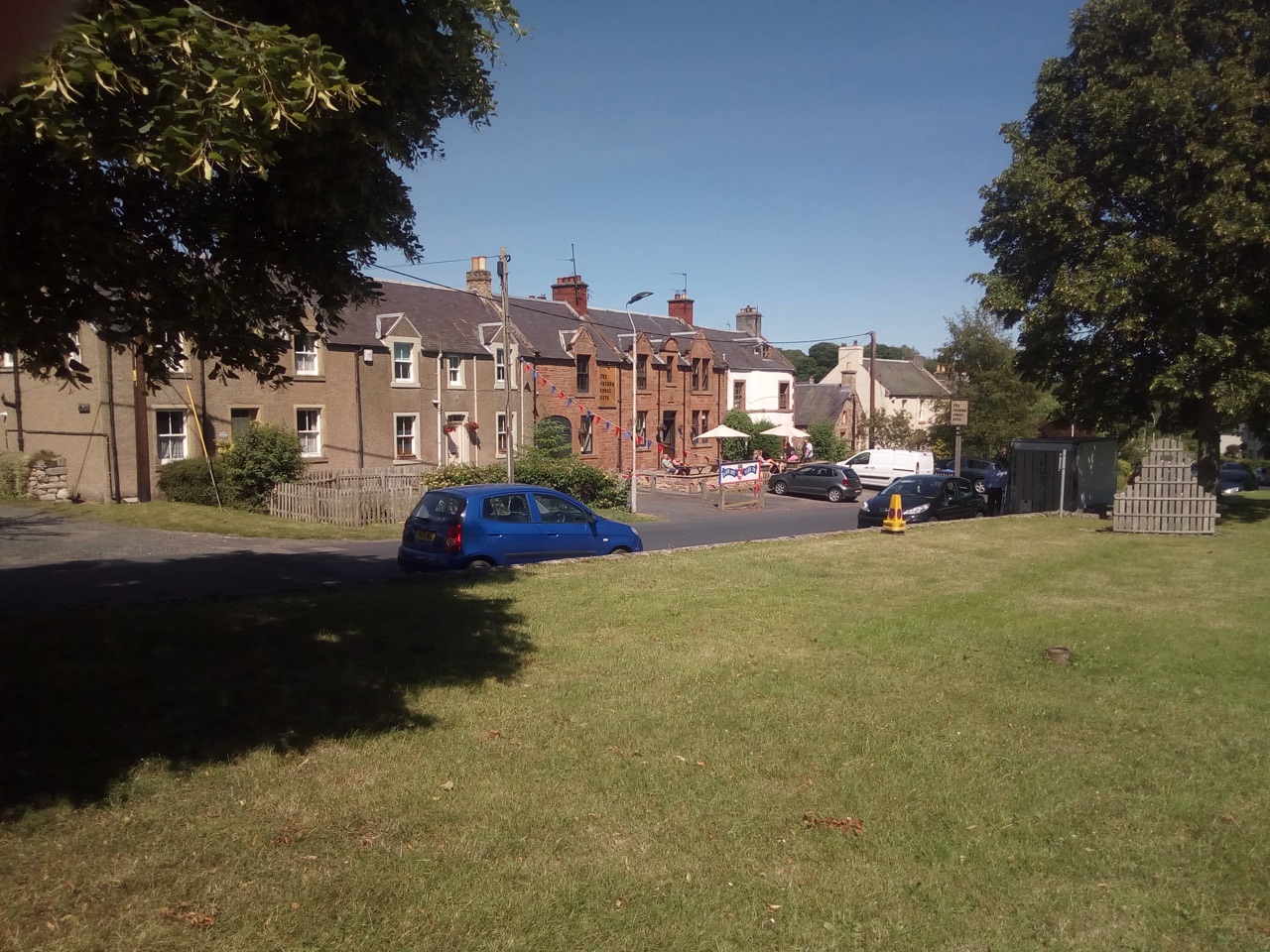
Ancrum
Borders village where Robert Livingston the Elder, founder of the American dynasty, was born in 1654 while his father John served as parish minister. The name of nearby Teviotdale was later borrowed for a Hudson Valley estate.
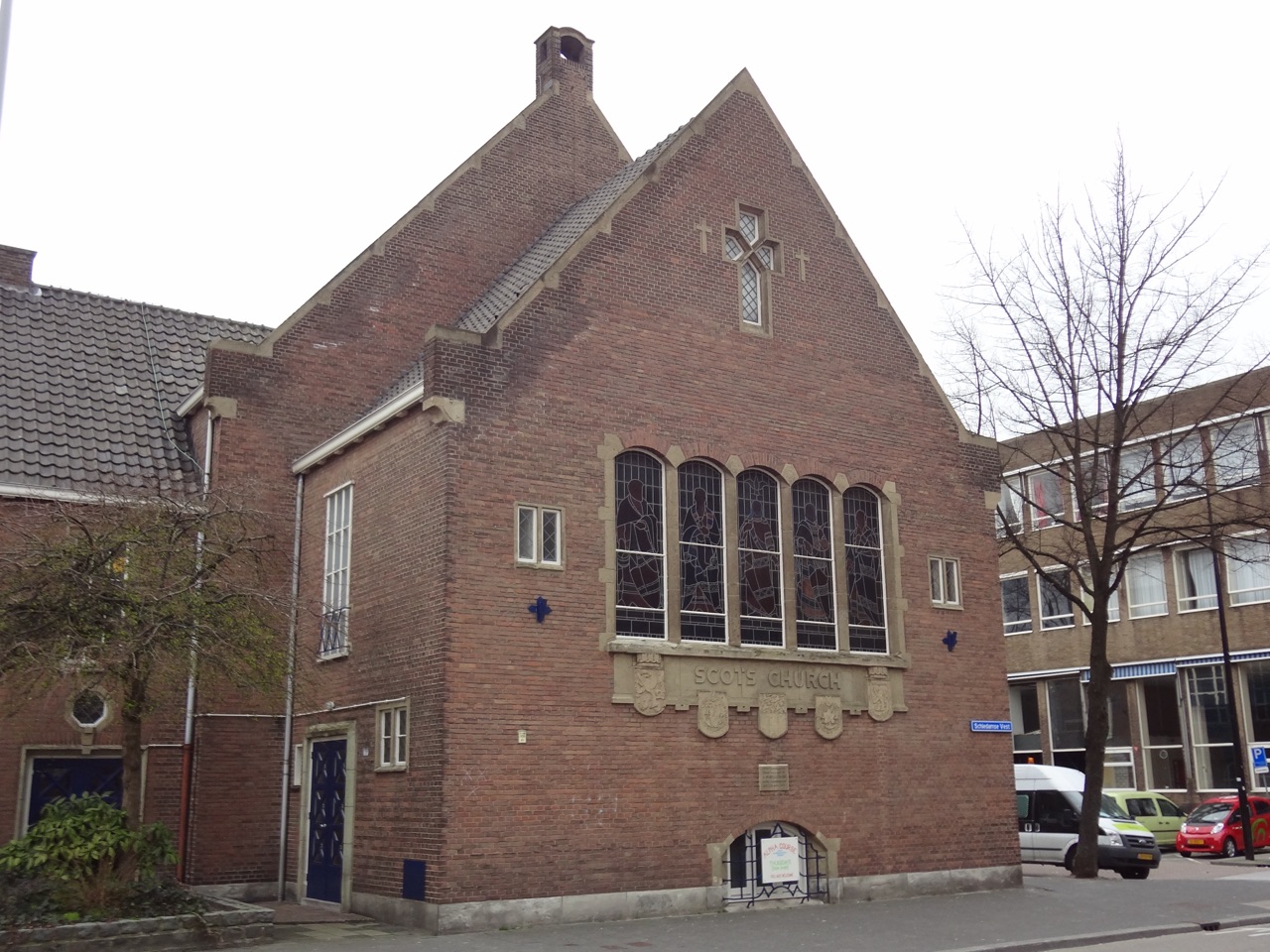
Scots Church, Rotterdam
After refusing to conform to the re-established episcopacy, Rev. John Livingston was exiled to Rotterdam in 1663, where he ministered to the Scots congregation until his death in 1672. His son Robert grew up here fluent in Dutch — the skill that would later open doors for him in the colony of New York.
Hudson Valley & America
19 places
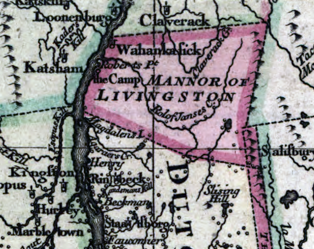
Livingston Manor
160,000-acre patent granted to Robert Livingston the Elder by Governor Thomas Dongan in 1686 and confirmed by royal charter under George I in 1715. Located between the Hudson River and the Massachusetts border, it became the seat of the Livingston dynasty. The manor was later divided among heirs, and a portion of the estate is still held by the family. The town of Livingston, NY occupies part of the original tract.
Wikipedia (Livingston Manor) | Town of Clermont history | American Country Estates: The Livingstons
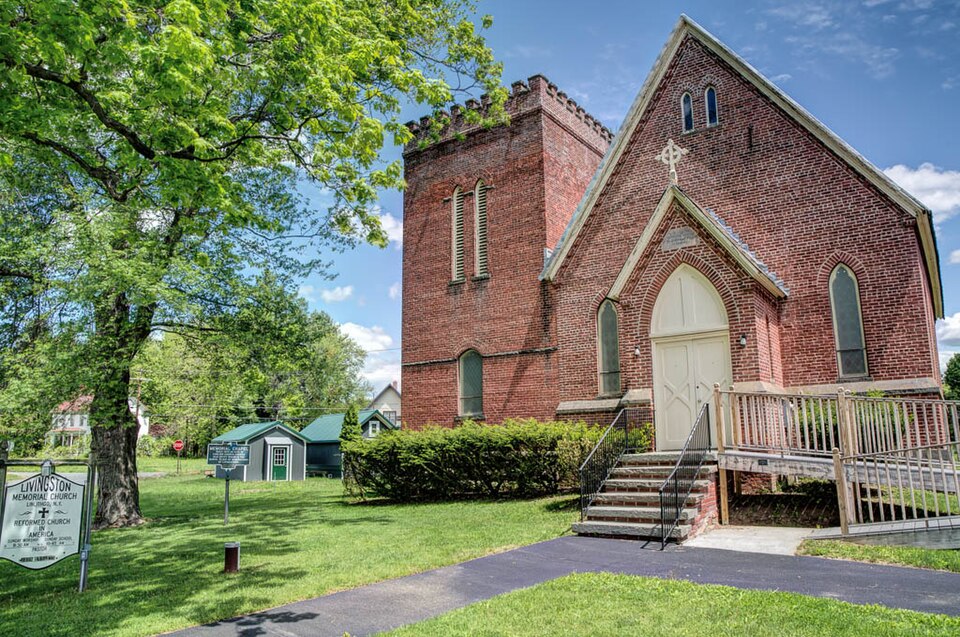
Livingston Memorial Church & Burial Ground
Historic Dutch Reformed church at CR 10 & Wire Road in Linlithgo. The current one-story rectangular brick structure (48 ft x 24 ft) was built in 1870 on the site of the original 1721 church, above the Livingston family burial crypt established in 1727. A square tower was added in 1890. The land was provided by Robert Livingston the Elder in his will. The burial ground contains 39 stones, with the earliest dating to 1772 - 1781; burials ceased in 1890. The crypt beneath the church holds generations of Livingstons. Listed on the National Register of Historic Places in 1985.
Wikipedia (Livingston Memorial Church and Burial Ground) | Grokipedia | Find A Grave: Livingston Reformed Cemetery | USGenNet: Memorial Chapel Cemetery, Livingston
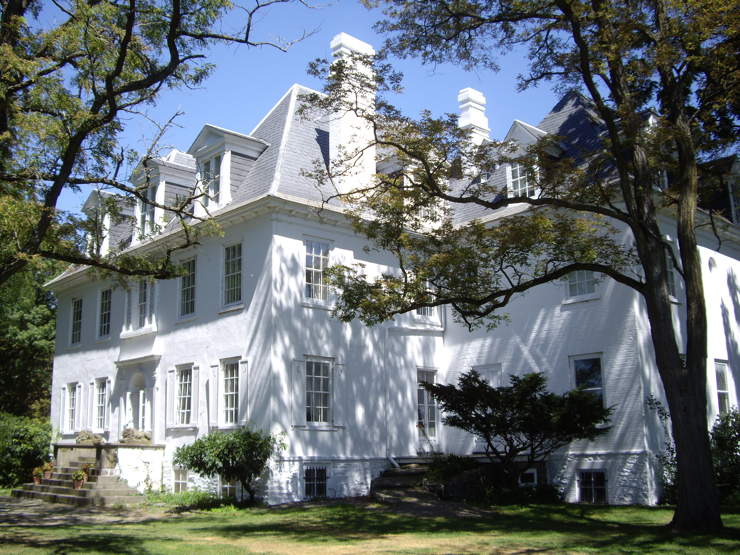
Clermont
Hudson River estate of the Clermont branch, built by Robert Livingston Jr. on 13,000 acres inherited from his father. The original mansion was burned by the British in 1777 and rebuilt by Margaret Beekman Livingston. Most famous resident was Chancellor Robert R. Livingston Jr., who administered Washington's oath of office, negotiated the Louisiana Purchase, and co-developed the steamboat with Robert Fulton. Designated a National Historic Landmark in 1972. Now a New York State Historic Site with gardens, trails, and Hudson River views.
NYS Parks: Clermont State Historic Site | Wikipedia (Clermont State Historic Site) | Friends of Clermont | Hudson Valley Heritage | TCLF | American Heritage
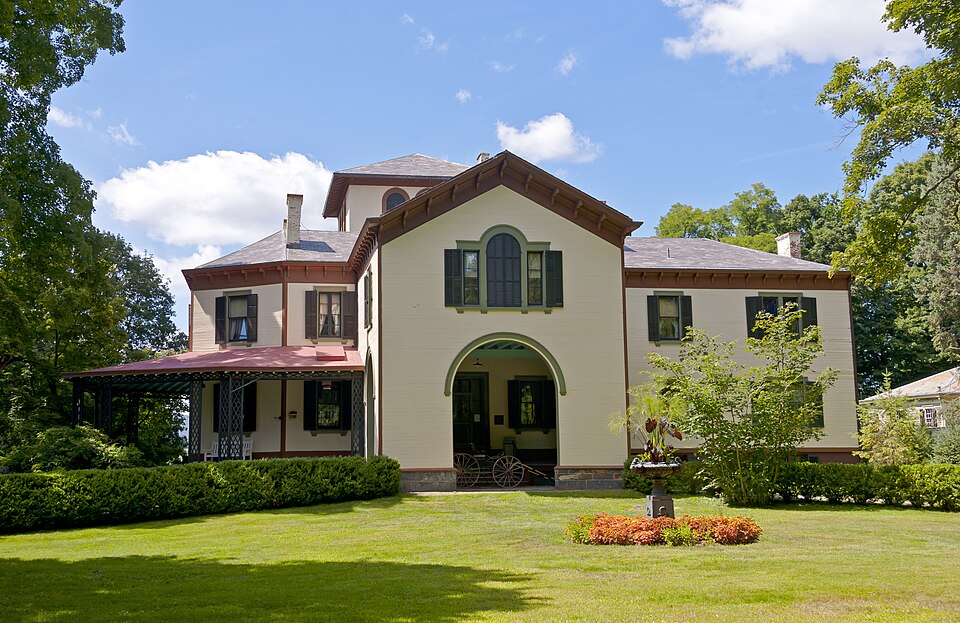
Locust Grove
Property originally acquired in 1751 by Henry Livingston Sr., Dutchess County Clerk for 52 years (1737 - 1789). In 1771, he gave the land to his son Henry Livingston Jr. on the occasion of his marriage. Henry Jr. named it Locust Grove after the black locust trees on the property and raised two families here. He is sometimes credited as the true author of 'A Visit from St. Nicholas' (commonly attributed to Clement Clarke Moore). After his death, heirs sold to John and Isabella Montgomery. In 1847, Samuel F.B. Morse purchased the estate and hired A.J. Davis to remodel it into an Italianate villa. Now a National Historic Landmark museum on 200 acres with Hudson River views.
Wikipedia (Locust Grove, Poughkeepsie) | Locust Grove Historic Site (lgny.org) | Hudson River Valley National Heritage Area | Poughkeepsie Library: Historic Houses | HRVI | American Heritage
The Pynes
Built in 1761 by Henry Gilbert Livingston as his primary seat on Woods Road in Tivoli, just north of Callendar House. Named for the pine trees on the property. Remarkably, The Pynes is still owned by Livingston family descendants to the present day - one of the very few Livingston estates to have remained in continuous family ownership for over 260 years. Henry Gilbert Livingston (1714 - 1799) was a medical doctor, politician, and member of the New York General Assembly for Dutchess County (1754 - 1768). His son was Henry Livingston Jr., the poet sometimes credited as the true author of 'A Visit from St. Nicholas.' The estate later passed through Louis Livingston and then to his sister Estelle Livingston de Peyster's son Johnston Livingston. Furnishings have moved between The Pynes, Callendar House, and Teviotdale over the centuries. Not open to the public.
North American Country Estates: The Livingstons | Magazine Antiques: Teviotdale (furniture provenance) | Schoolfield Country House: Woods Road Estates | Historic Red Hook: Estelle Livingston de Peyster | Pieter Estersohn: Life Along the Hudson
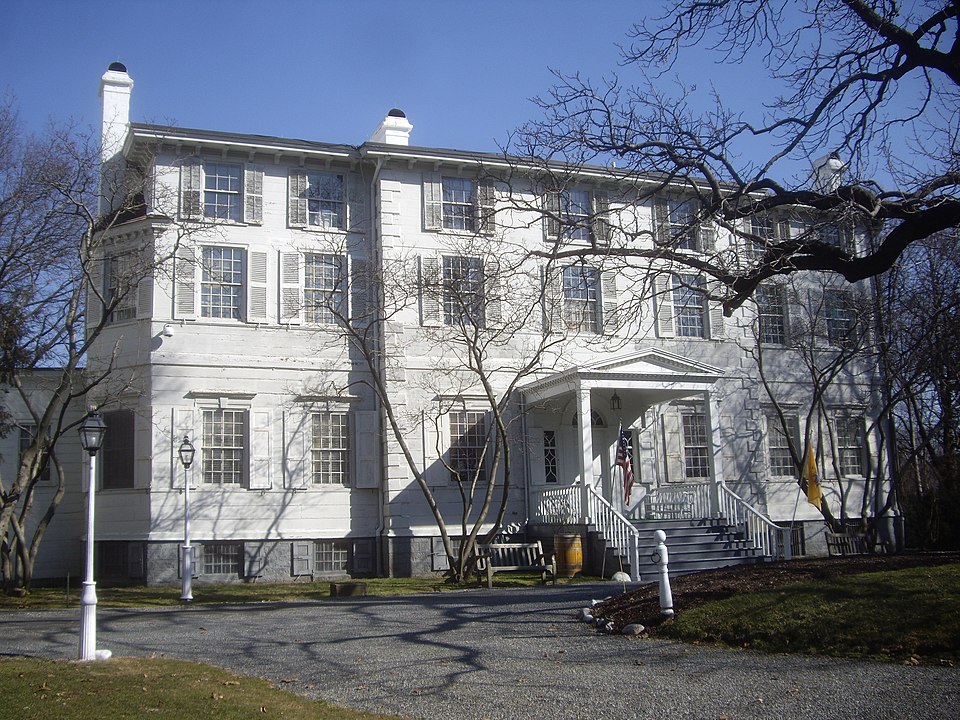
Liberty Hall
Originally a 14-room Georgian-style house built by William Livingston, New Jersey's first elected governor and signer of the U.S. Constitution. Now a 50-room Victorian Italianate mansion after extensive 19th-century additions by the Kean family. Home to six successive generations of Livingstons and Keans, including Supreme Court Justice Henry Brockholst Livingston, Continental Congress delegate John Kean, and Governor Thomas Kean. Alexander Hamilton lived here in its first year. Visitors included George and Martha Washington, Lafayette, and John Jay (who married Sarah Livingston here). Designated a National Historic Landmark. Now a 23-acre museum operated by Kean University.
Wikipedia (Liberty Hall, NJ) | Liberty Hall Museum at Kean University | Crossroads of the American Revolution | NPS: National Historic Landmarks | NJ Historic Trust
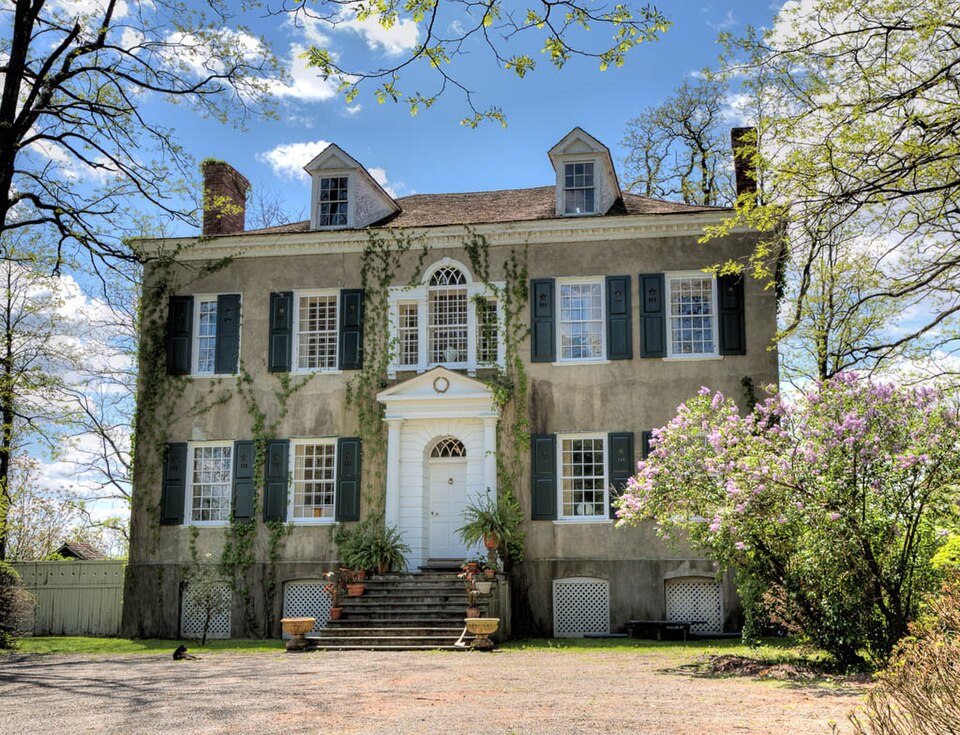
Teviotdale
Named for the Scottish river Teviot, this Irish Georgian-style mansion was built by Walter Livingston (1740 - 1797) on land purchased from his father, Robert Livingston, 3rd Lord of the Manor, for 300 pounds sterling. The property sits between the Roeliff Jansen Kill and Klein Kill tributaries of the Hudson River. Notably, Martha Washington slept here. The design reflects Great Britain's infatuation with Palladian architecture. Added to the National Register of Historic Places in 1979. Now operated as Klein's Kill Fruit Farm.
Wikipedia (Teviotdale) | The Magazine Antiques: 'Teviotdale: Martha Washington Slept Here' | American Aristocracy | ICAA: Hudson River Valley Excursion | Grokipedia
The Hermitage
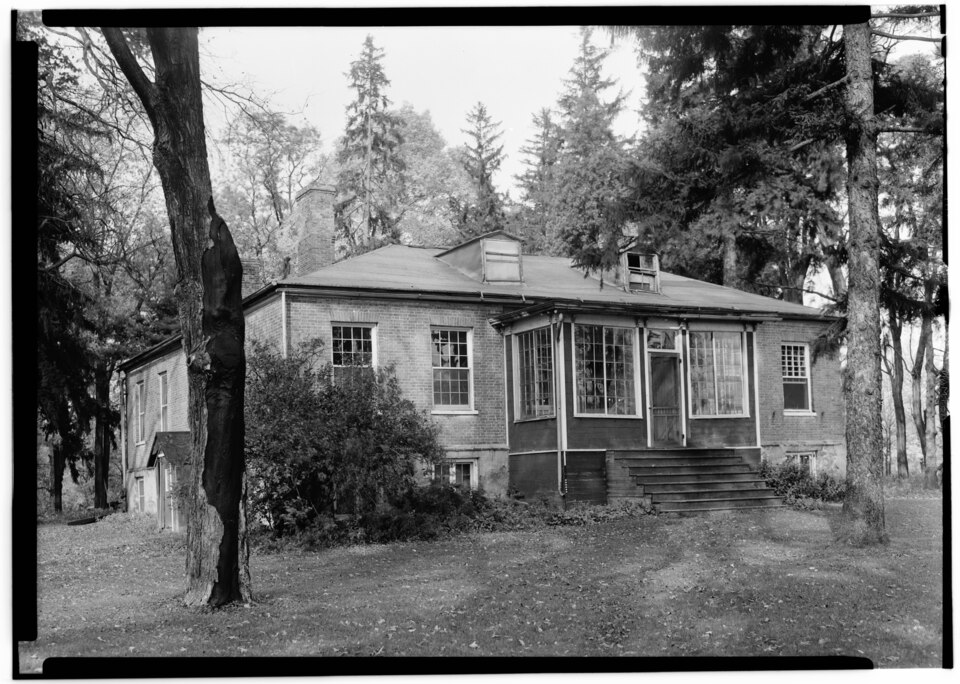
Built by Robert Livingston, 3rd Lord of the Manor, for his eldest surviving son Colonel Peter Robert Livingston (1737 - 1794). Peter had become encumbered with debt, and his father built the home hoping Peter would eventually add another story - but that never happened. The house was not completed until 1939, under Ida Helen Ogilvie, founder and former head of Columbia University's Geology department. After Ogilvie's death in 1963, the house sat vacant until 1982 when it was purchased by Margaret Rockefeller and demolished the following year, sparking significant local controversy.
Wikipedia (The Hermitage, Linlithgo) | American Aristocracy | Grokipedia | NY Times (1983): 'Razing of 1774 Home Causes Dispute Upstate'
Linwood
Established in 1788 by Dr. Thomas Tillotson, surgeon general of the northern army during the Revolutionary War, and his wife Margaret Livingston - the third child of Judge Robert R. Livingston and Margaret Beekman, and sister of the Chancellor and of Catherine Garrettson (Wildercliff). Originally a 72-acre estate with a large house offering enviable Hudson River views. In 1798, Tillotson subdivided Linwood, creating the Glenburn estate for his 12-year-old daughter Janet. Glenburn later merged with the neighboring Grasmere estate (another Livingston property). The Linwood property was purchased by Colonel Jacob Ruppert (owner of Ruppert Brewery and the New York Yankees) in the late 19th century. He demolished the original Livingston-era house in 1883 and built a new mansion. That building was later transferred to the Sisters of St. Ursula (Archdiocese of New York), who demolished it c. 1970 and built a brick retreat center. The 51-acre site is now for sale.
North American Country Estates: The Livingstons | Poughkeepsie Journal: Rhinebeck Mansion Razed (2017) | Historic Rhinebeck: Estates (Linwood) | American Aristocracy: Linwood | Rural Intelligence: The Last Sisters of Linwood | Society of St. Ursula: Linwood
Staatsburgh (Mills Mansion)
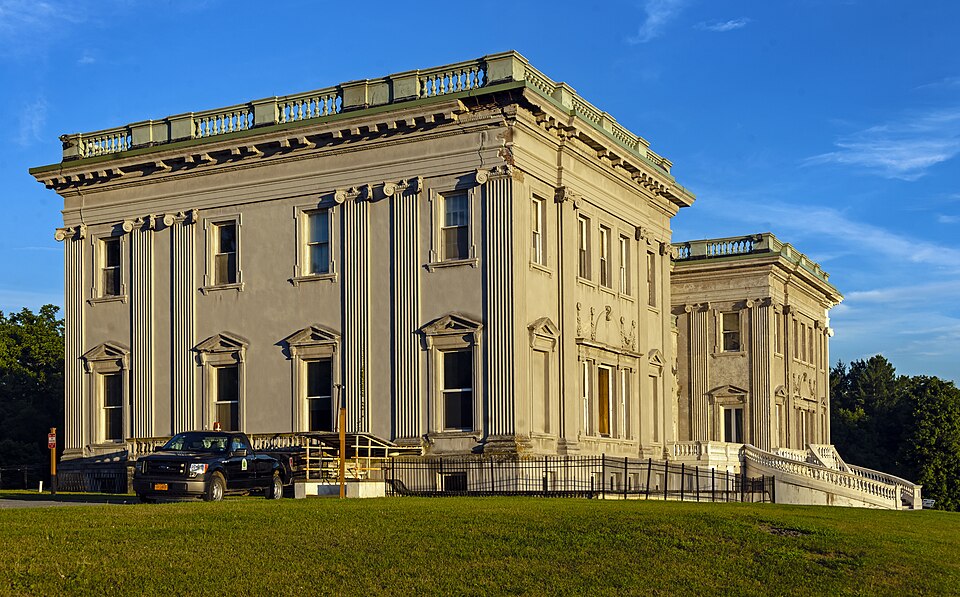
The estate at Staatsburgh was purchased in 1792 by Morgan Lewis, third Governor of New York, and his wife Gertrude Livingston (daughter of Judge Robert R. Livingston and Margaret Beekman). A 25-room Greek Revival house was built on the site in 1832, replacing an earlier house that burned. Their granddaughter Ruth Livingston Mills inherited the estate in 1890. In 1895, Ruth and her husband, financier Ogden Mills, commissioned McKim, Mead & White to transform it into a 79-room, 40,000-square-foot Beaux-Arts palace - one of the grandest Gilded Age mansions in the Hudson Valley. The 60-foot dining room boasts marble floors, marble walls, and 17th-century Belgian tapestries. Edith Wharton based 'Bellomont' in The House of Mirth on this mansion. Donated to New York State in 1938. Now the Staatsburgh State Historic Site within Mills-Norrie State Park.
Wikipedia (Staatsburgh State Historic Site) | Friends of Mills at Staatsburgh | American Aristocracy: Mills Mansion | Hudson River Valley NHA | Business Insider: Inside a Gilded Age Mansion (2024) | Dutchess Magazine: A View of Gilded Age Elegance
Oak Hill
Federal-era estate built by John Livingston (1749 - 1822), 12th child of Robert Livingston, 3rd Lord of the Manor. A 2.5-story brick residence exemplifying Federal-style architecture, it has been continuously occupied by the Livingston family for over six generations. The Yale Beinecke Library holds the Livingston Family Papers documenting the estate's history, including the Oak Hill Iron Mining and Paramount Oil companies. Now used as a private residence and wedding venue.
Wikipedia (Oak Hill, Linlithgo) | Yale Archives: Livingston Family Papers | American Aristocracy | Grokipedia | The Parsonage Between Two Manors (usgennet.org)
Arryl House (Idele)
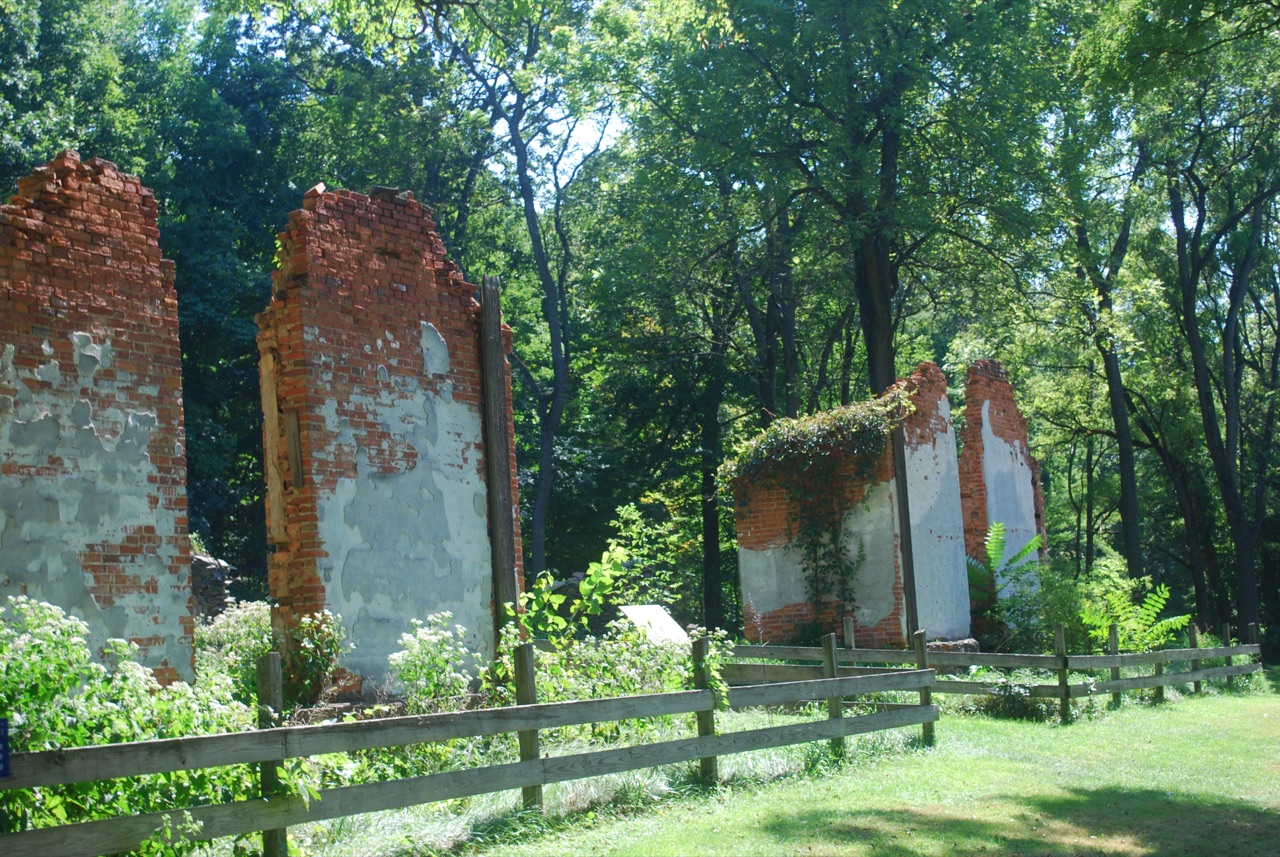
A grand neoclassical mansion built c. 1793 by Chancellor Robert R. Livingston about a quarter mile south of his mother's house ('Old Clermont'). Decidedly French in style - reflecting the Chancellor's years as U.S. Minister to France where he negotiated the Louisiana Purchase - it featured an 'H'-shaped plan, an orangery, and a library of over 4,000 volumes. Confusingly, he also named it 'Clermont' (later known as 'Idele' and 'Arryl House'). Here, Livingston held his Court of Chancery, directed his experimental farm where he raised exotic fruit trees and America's first herds of Merino sheep, and partnered with Robert Fulton on the first commercially successful steamboat (1807), which stopped at the house on its inaugural trip. Destroyed by a grass fire on November 1909 (started by workmen burning weeds). The ruins were preserved as a memorial by the Livingston family and remain visible at the south end of the Clermont State Historic Site parking lot.
Town of Clermont: The Clermont Estate | American Aristocracy: Arryl House | Clermont SHS Blog: Finding Arryl House (2010) | Hudson Valley Ruins: Arryl House | NYS Parks: Clermont EIS | Friends of Clermont: The Livingstons
Callendar House (Tivoli)
Federal-style house built in 1794 by Henry Gilbert Livingston, who lived on the next estate northward (The Pynes). Originally called Sunning Hill. Sold the following year to a Livingston cousin. Renamed Callendar House in 1860 when purchased by Johnston Livingston, a nod to the ancestral Livingston castle in Falkirk, Scotland. Johnston was an associate of J.P. Morgan and co-founder of both Wells Fargo Bank and American Express. His descendants lived here until 1976 when the house was auctioned. Underwent numerous renovations including work by McKim, Mead & White (South Wing addition). Featured in Pieter Estersohn's book 'Life Along the Hudson.'
American Country Estates: The Livingstons (Callendar House) | Architectural Digest: 'Life Along the Hudson' (2018) | NY Times: 'Time and the River' (1999) | Schoolfield Country House: Gatehouses of Hudson River Historic District
Massena
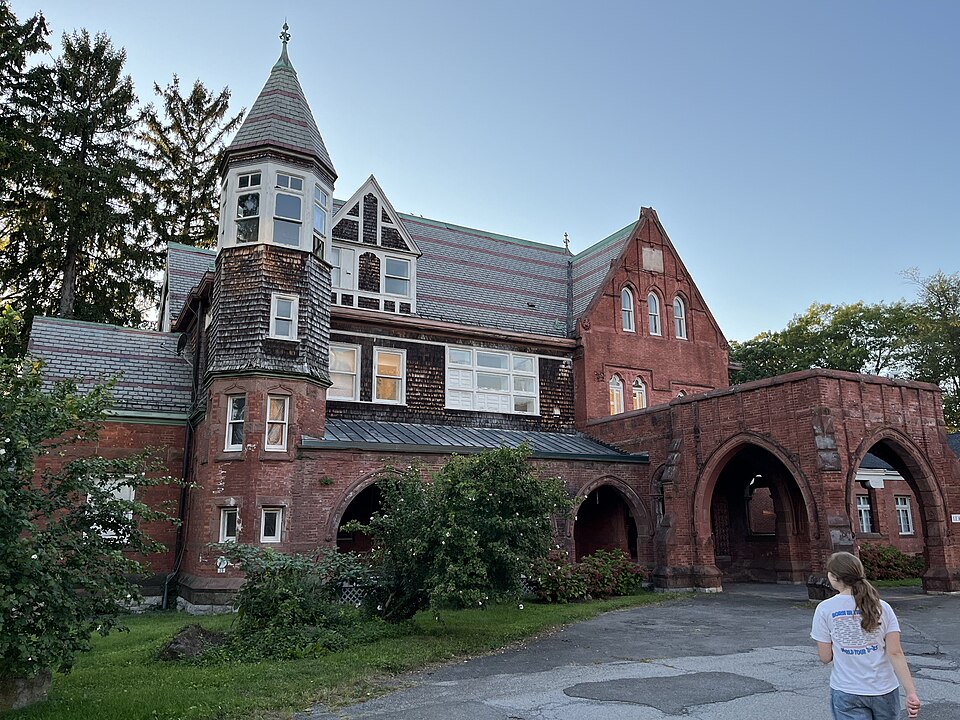
Built in 1796 by Major John R. Livingston (1755 - 1851) as an exact replica of a famous French chateau, designed by Sir Marc Isambard Brunel. Named after one of Napoleon's generals. John R. Livingston inherited the land that comprises most of Barrytown from his mother Margaret Beekman Livingston. He became the richest Livingston of his generation through Manhattan real estate. In 1851, in the last year of his life, he was photographed by Mathew Brady - the oldest man ever so recorded at that time. The original wooden mansion, set on 407 acres with magnificent gardens, was destroyed by fire in 1885 after the Aspinwall family had purchased it. Mrs. Jane Aspinwall told architect William A. Potter to 'build me a house that won't burn down' - the resulting High Victorian Gothic brick and terra cotta mansion still stands. A young Theodore Roosevelt stayed here for the month of August 1868. Now the campus of Unification Theological Seminary (HJ International).
HJ International: History of Massena House Estate | American Aristocracy: Massena (1796) | Historic Red Hook: Lafayette and Massena | Dutchess County Historical Society | Hudson Valley One: Moon Walk (2016)
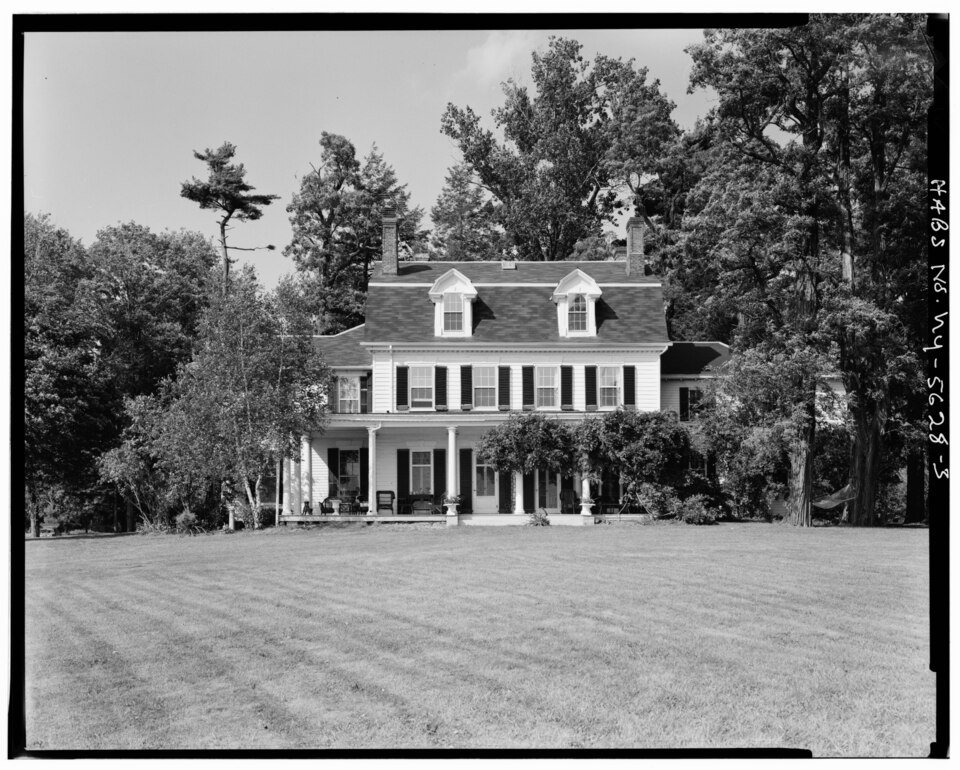
Wildercliff
Built in 1799 by the Reverend Freeborn Garrettson (1752 - 1827), an early Methodist circuit rider, and his wife Catherine Livingston - the youngest of the six sisters of Chancellor Livingston and daughter of Judge Robert R. Livingston and Margaret Beekman. The original clapboard house was two stories, rectangular with a gambrel roof and no hallway. Over the generations it was significantly expanded and modified. Catherine married Garrettson at nearly 41 - an unusually late marriage for the era - and their home became a stopping place for Methodist ministers from around the world. Wildercliff is the only south-facing Livingston house on the Hudson. One of 21 contiguous estates on the east bank between Staatsburg and Tivoli. HABS documented (NY-0189) by the Library of Congress. Still privately owned.
Wikipedia (Wildercliff) | Library of Congress HABS NY-0189 | Poughkeepsie Journal: Rhinebeck's Wildercliff (2020) | DCHS Yearbook Vol. 51: Colonial Dames of Dutchess | Historic Rhinebeck: Estates | BYU Scholars Archive: Catherine Livingston Garrettson
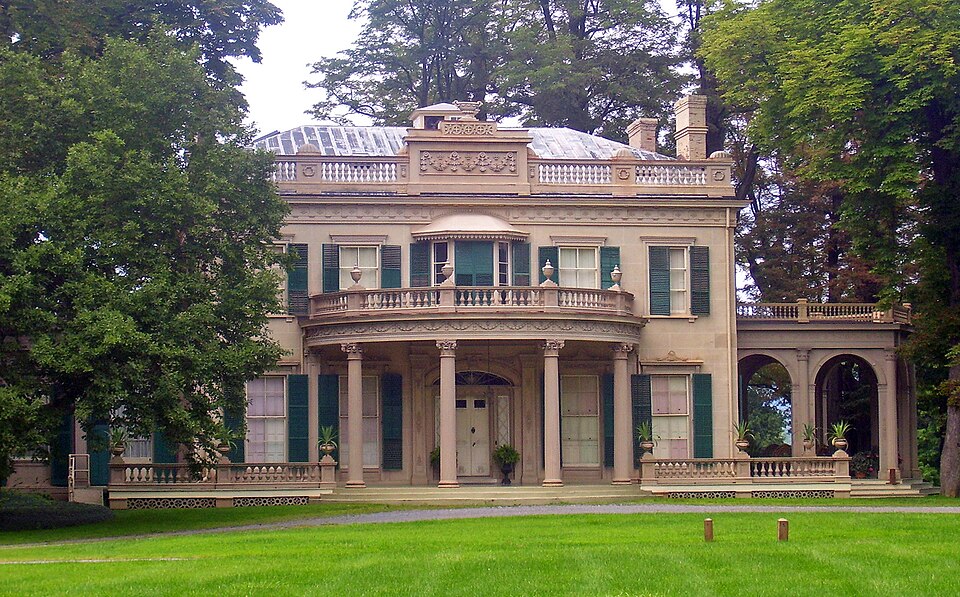
Montgomery Place
Built in 1804 by Janet Livingston Montgomery, widow of General Richard Montgomery, the first general officer killed in the Revolutionary War. Originally a Federal-style residence at the terminus of a half-mile allee, it was dramatically redesigned in the 1840s and 1860s by architect Alexander Jackson Davis into a Classical Revival mansion. Andrew Jackson Downing advised on the 434-acre grounds, which feature an arboretum, scenic trails, carriage roads, gazebos, and a waterfall. The open porch on the north side is considered the first outdoor room in America. Livingston descendants sold to Historic Hudson Valley in 1985. Purchased by Bard College in 2016. Designated a National Historic Landmark in 1992.
Wikipedia (Montgomery Place) | Bard College Montgomery Place | TCLF | Hudson River Valley National Heritage Area | History of Early American Landscape Design
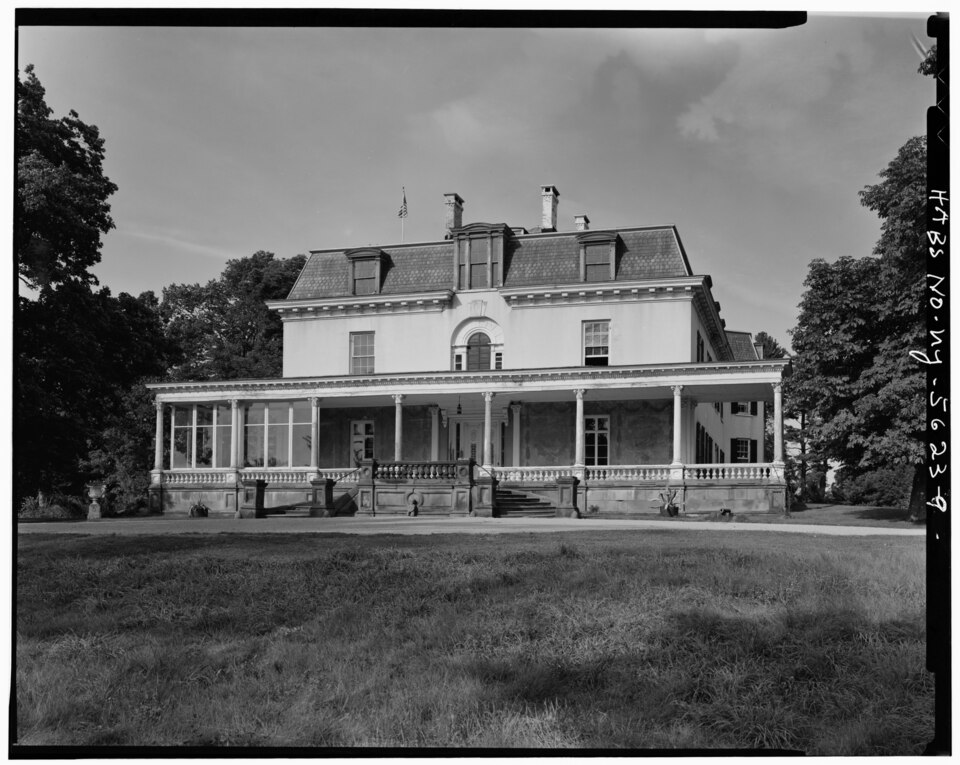
Rokeby (La Bergerie)
A 43-room stucco house on 420 acres built between 1811 - 1815 by General John Armstrong Jr. and his wife Alida Livingston Armstrong (daughter of Chancellor Robert R. Livingston's brother). Originally called La Bergerie ('the sheepfold'). In 1836, William Backhouse Astor paid $50,000 for the deed and renamed it Rokeby after a Walter Scott poem. The estate entered the Livingston-Astor-Chanler-Aldrich lineage and remains in family hands - one of the last family-owned properties in the Hudson River Landmark District. Margaret Livingston Chanler's grandson Richard Aldrich inherited in 1963. Subject of Alexandra Aldrich's 2013 memoir 'The Astor Orphan.' The house is in a state of genteel decay sustained by organic farm income, weddings, and artist residencies.
Wikipedia (Rokeby, Barrytown) | American Aristocracy | NY Times: 'The House Inherited Them' (2010) | American Country Estates: The Livingstons | Magazine Antiques: 'Rokeby: The Past Is Present'
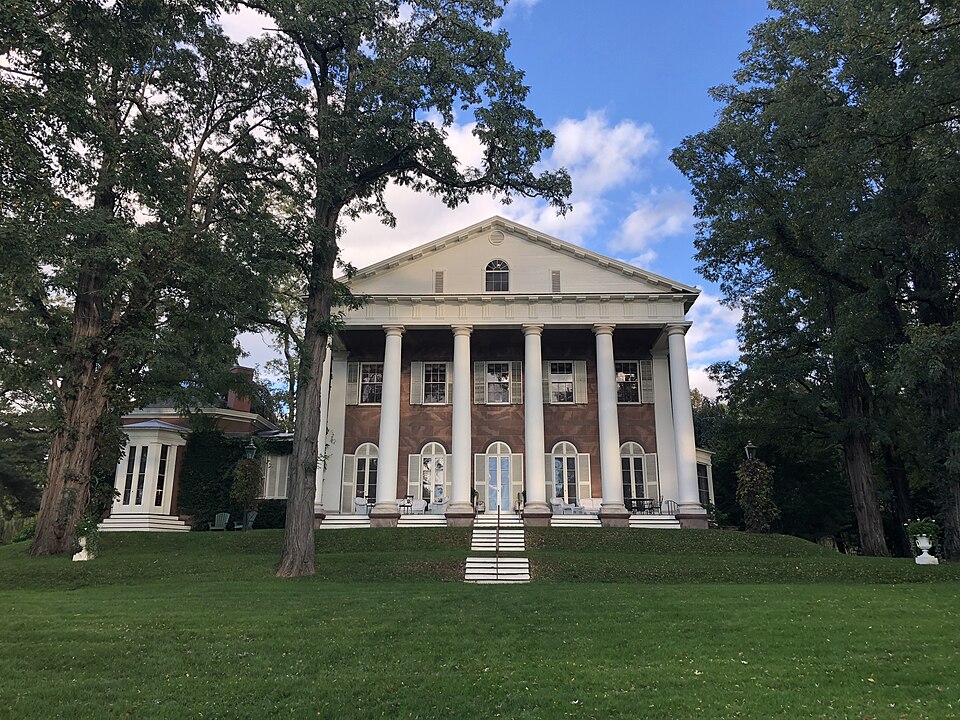
Edgewater
A noble Greek Revival mansion built in 1824 by John R. Livingston as a wedding gift for his daughter Margaretta on her marriage to Captain Rawlins Lowndes Brown of Charleston, SC. Sits on a thorn-shaped peninsula jutting into the Hudson River near Barrytown. Six tall Doric columns face the river. In 1853, Robert Donaldson Jr. bought the estate and engaged architect A.J. Davis to add an octagonal library wing. The writer Gore Vidal owned it from 1950. Richard Hampton Jenrette purchased in 1969 and meticulously restored it. Now preserved by the Classical American Homes Preservation Trust (Jenrette Foundation). Listed on the NRHP as a contributing property to the Hudson River Historic District.
Wikipedia (Edgewater, Barrytown) | Jenrette Foundation | Library of Congress HABS NY-5621 | TCLF | Magazine Antiques: 'Edgewater, paradise for a preservationist' | Daily Gazette: 'Same as it ever was'
Livingston State Forest
319-acre remnant of the original Livingston Manor patent, owned by Edmund Livingston since 1948. After 320 years of family stewardship, Edmund converted the land to public trust via the Trust for Public Land and NYS DEC in 2008, and the new state forest became the first legacy project of the 2009 Hudson Quadricentennial. The forest features scenic Hudson River views and is managed for timber production, watershed protection, wildlife habitat, and recreation. Hiking and primitive camping are allowed throughout.
Trust for Public Land: 'Historic Colonial Land Protected in Livingston' | NYS DEC: Livingston State Forest | Columbia County Tourism | GoCoCo trail guide