John Livingston was born in Vancouver in 1951, the eldest child of Edmund Livingston, a geological engineer, and Dorothy Livingston, a social worker and civic leader. His childhood in British Columbia moved between Victoria, Nelson, Salmo, and Kamloops before the family returned to Victoria.
At fourteen, John and Henry Hunt Jr. began carving small masks and totems at Thunderbird Park beside the Royal British Columbia Museum. Under Henry Hunt Sr., Tony Hunt Sr., and later Tony Hunt, John entered a lifelong apprenticeship in Kwakwaka'wakw formline, cedar carving, restoration, and ceremonial art.
John was like a cedar rope - he held everything together.
Kaleb Child, Kwakwaka'wakw artist
Early Life & Apprenticeship
After graduating from Victoria High School in 1969, John entered a full-time apprenticeship under Tony Hunt. That same year they co-founded Arts of the Raven Gallery and the Raven Arts workshop in Victoria, one of the earliest dedicated venues for Northwest Coast Native art.
The workshop became a training ground for many Kwakwaka'wakw artists. John developed a reputation for exacting carving, deep logistical competence, and a rare ability to hold large group projects together across artists, nations, and institutions.
Cultural Adoption & the Hunt Family
Through his close association with the Hunt family, John was formally adopted into the Kwakwaka'wakw Nation during potlatch ceremonies. He received names and rights to important dances, took part in family potlatches, and joined a seven-city European dance tour carrying hundreds of pounds of regalia.
Calvin Hunt later summarized the adoption plainly: John became one of us. He earned it. The adoption was not a decorative honor; it recognized decades of work inside a living ceremonial and artistic tradition.
Artistic Work
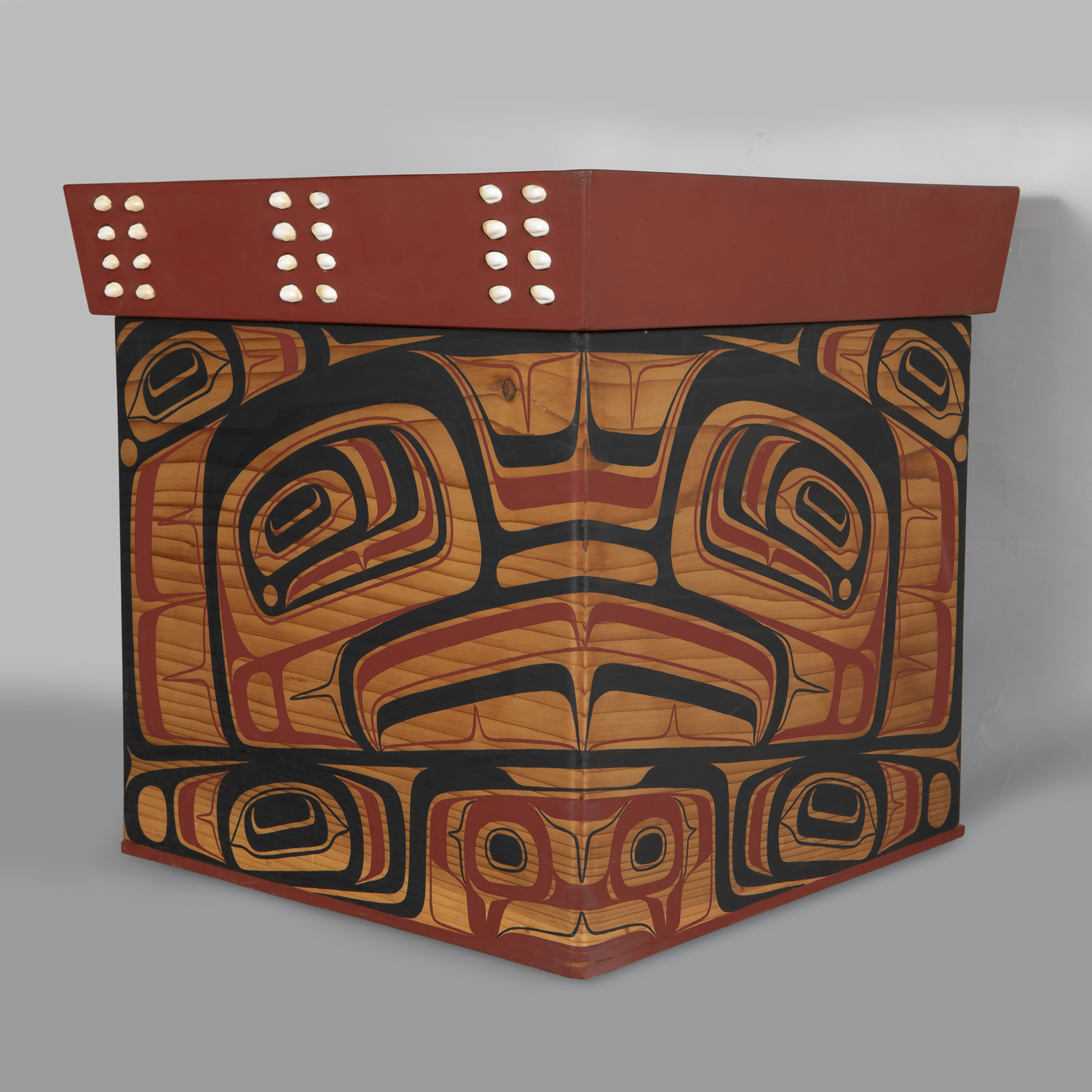
John worked primarily in red cedar, producing masks, totem poles, feast bowls, rattles, bentwood boxes, and ceremonial regalia. He collaborated on more than twenty-five large totem pole commissions, including projects with Tony Hunt, Calvin Hunt, Robert Davidson, Tim Paul, Art Thompson, Don Yeomans, and other Northwest Coast artists.
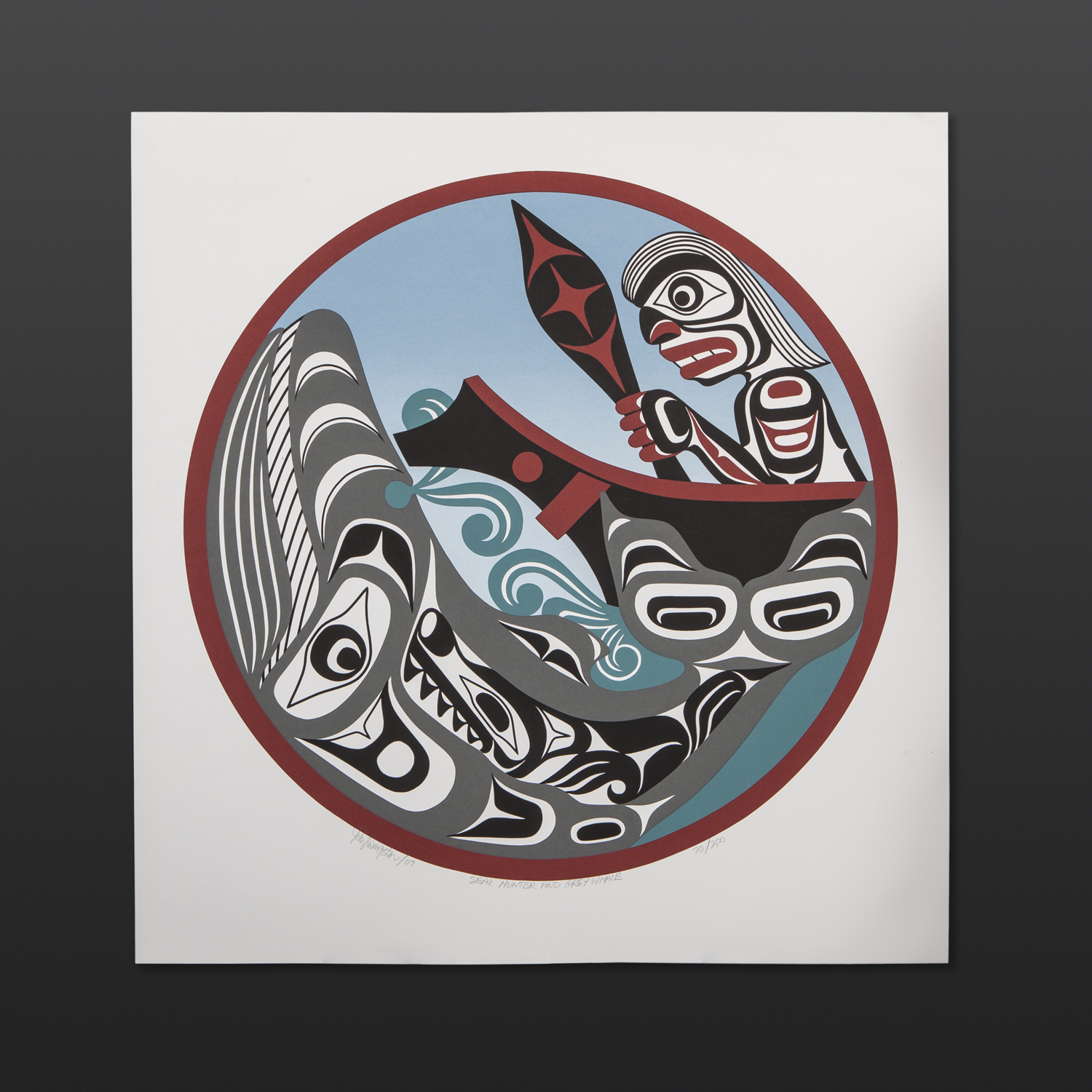
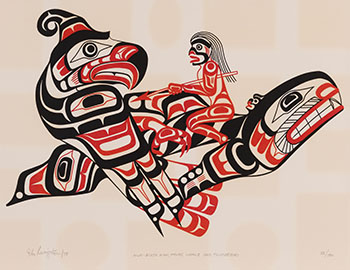
He also produced more than fifty limited-edition prints in the Kwakwaka'wakw formline style, restored historic poles and artifacts, appraised collections, and consulted for institutions including the Royal British Columbia Museum.
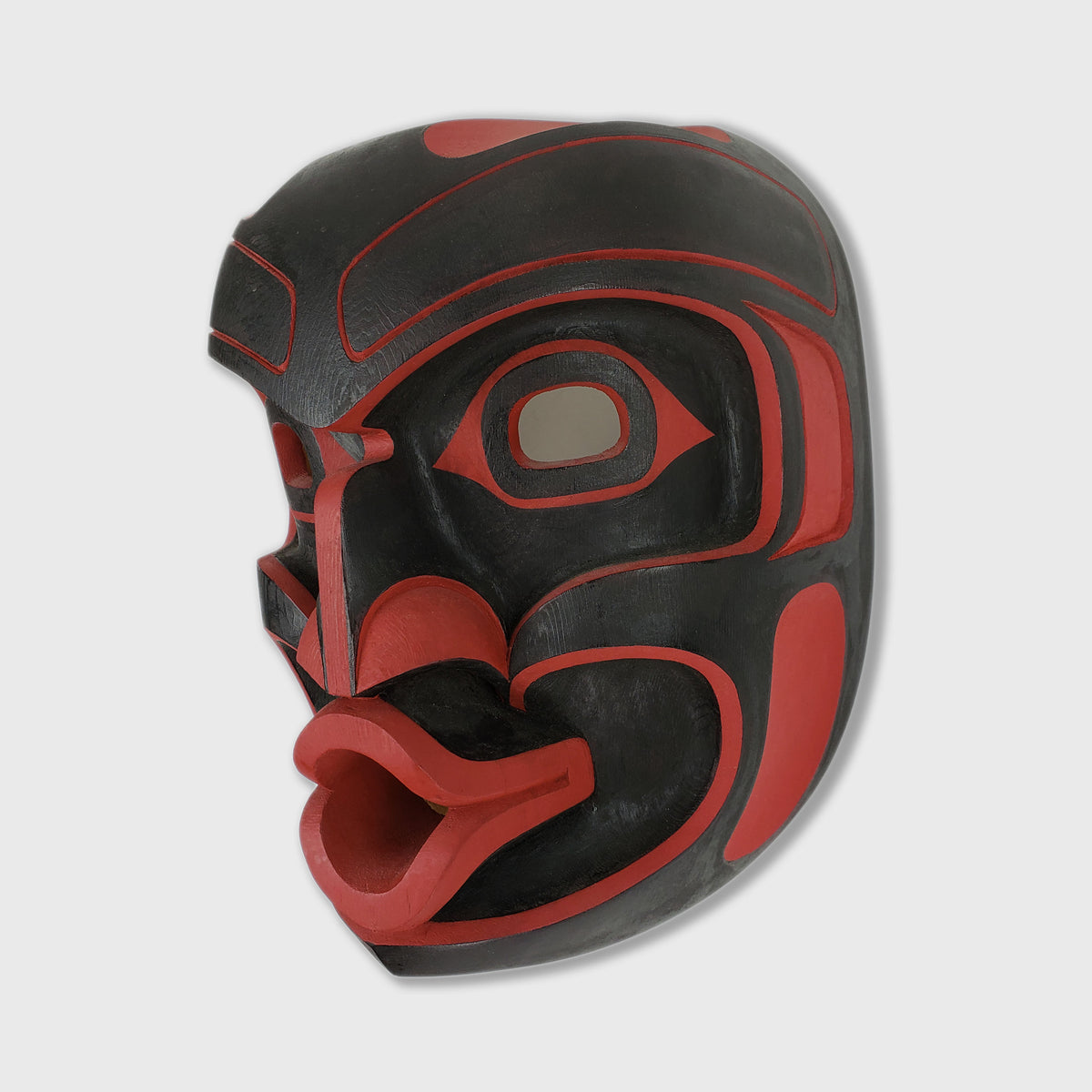
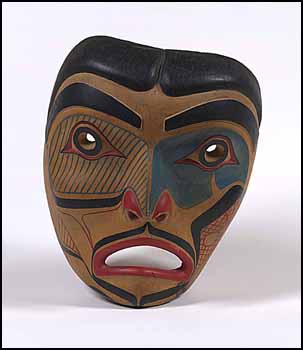
- Carving: transformation masks, Bakwas masks, portrait masks, mourning masks, poles, rattles, feast bowls, and bentwood boxes.
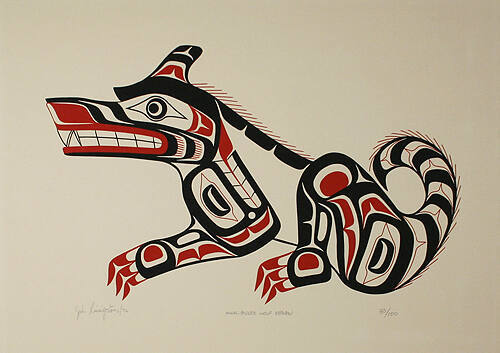
- Printmaking: limited-edition Kwakwaka'wakw designs, including works held by the Lowe Art Museum.
- Restoration: Stanford University totem poles, the Beacon Hill Park Story Pole, and historic poles around Victoria and Vancouver Island.
- Contemporary work: Queen and Maple Leaf Copper, a Portland Art Museum sculpture made from Canadian copper pennies and steel.
Sourced Artwork Images
The gallery below is limited to works with a public image URL and a source page that identifies the artwork.



Major Public Art Commissions
| Work | Location | Year | Collaborators | Description |
|---|---|---|---|---|
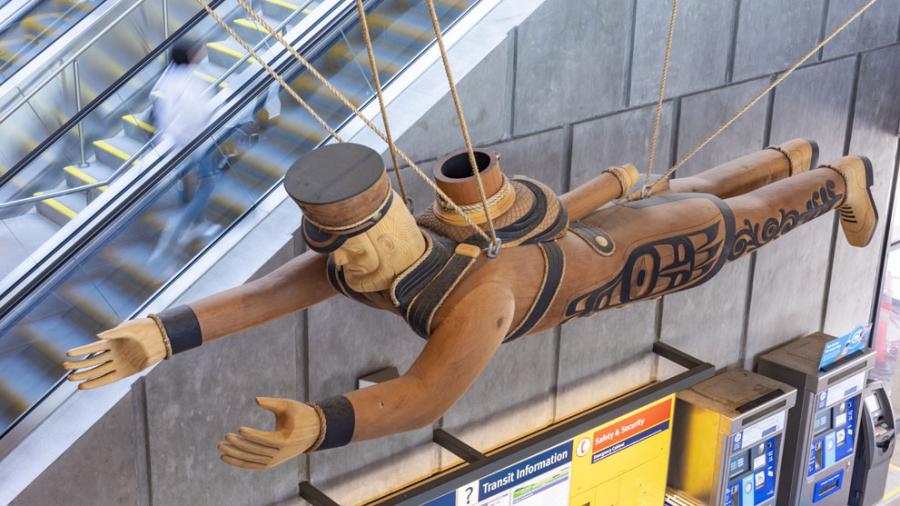
| The Sea Captain | Surrey Central SkyTrain Station, British Columbia | 2019 | Marianne Nicolson | Large suspended wooden sculpture inspired by an early nineteenth-century Haida Gwaii pipe; John's final public commission. |
| Veterans Memorial Totem Pole | Veterans Memorial Lodge, Broadmead Care, Victoria | 2003 | Calvin Hunt, Mervin Child | Totem honoring Indigenous veterans, with eagle, warrior, and bear imagery. |
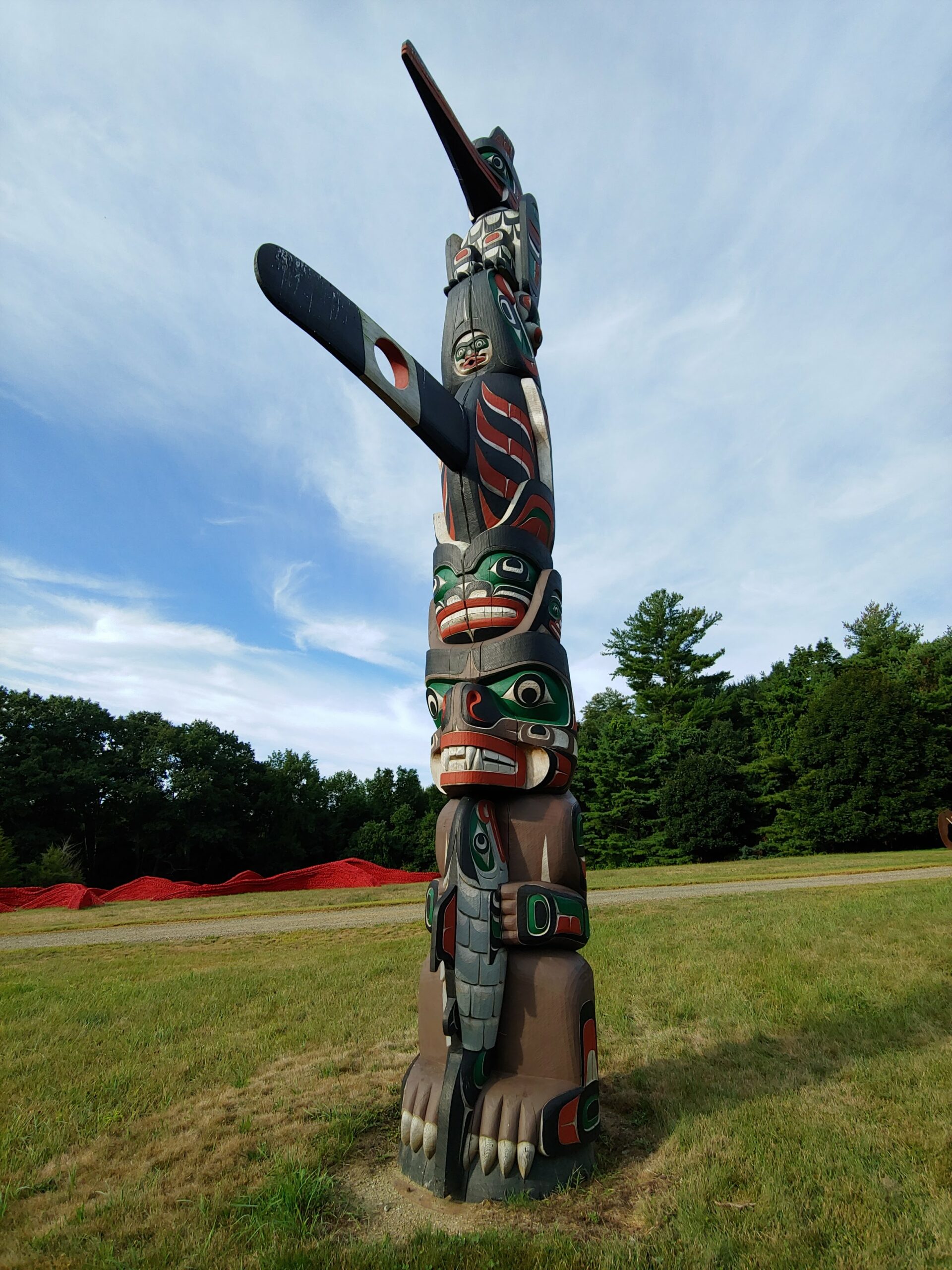
| Raven, Killer Whale & Seal, Grizzly Bear of the Sea & Salmon Totem | Alnoba, Kensington, New Hampshire | 2008 | Calvin Hunt | Thirty-foot red cedar totem pole in the Kwagu'l style. |
| Stanford University totem pole restoration | Cantor Arts Center, Stanford, California | 2013 | John Livingston | Restoration of two historic Northwest Coast poles using Pacific Northwest techniques. |
Works in Museum Collections
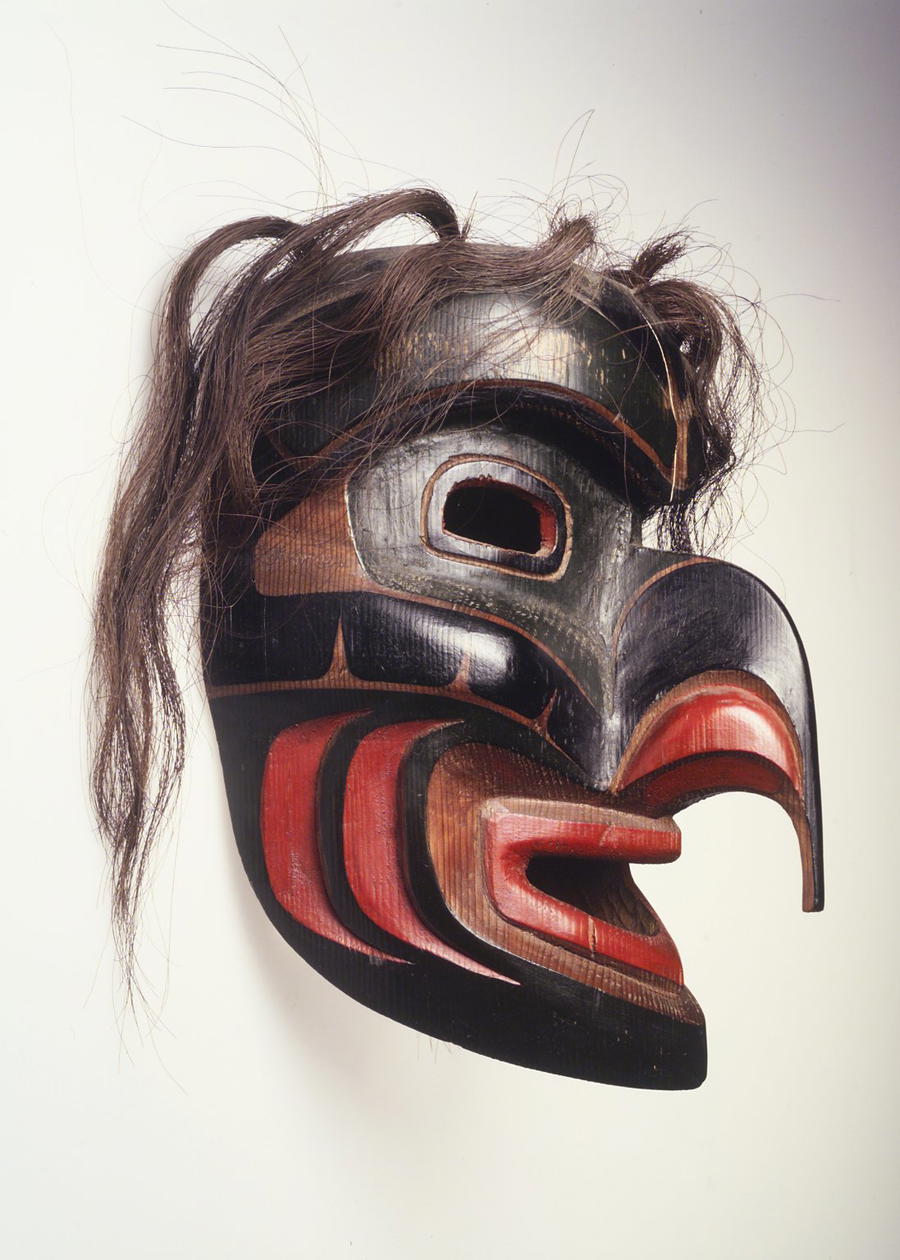
The Brooklyn Museum's Wild Man Mask is the clearest public image for this site because it is a real documented work by John Livingston. It represents Bakwas, the Wild Man of the Woods, and is made of cedar wood, pigment, and hair.
| Institution | Work | Medium | Date |
|---|---|---|---|
| Brooklyn Museum | Wild Man Mask (Bakwas) | Cedar wood, pigment, hair | 1970 |
| Portland Art Museum | Queen and Maple Leaf Copper | Canadian copper pennies and steel | 2013 |
| Portland Art Museum | Tlakwa (Copper) | Copper | Undated |
| Lowe Art Museum, University of Miami | Kwa-giulth Wolf Design | Screen print | 1976 |
| Canadian Museum of History | John Livingston's Whale Carving | 16mm film | 1972 |
| UBC Museum of Anthropology | Bear & Halibut Totem Pole photograph | Archival photograph | Undated |
Teaching, Market, and Personal Life
John taught through the Arts of the Raven workshop and individual mentorship, including artists such as Rande Cook. Galleries West remembered him as an orchestrator of major group projects across diverse Northwest Coast nations.
His works continue to appear in the auction market, including sales through Waddington's, Heffel, Bonhams, Clars, and other houses. He married Maxine Matilpi, known as Loved One, and remained deeply connected to Kwakwaka'wakw community life until his death from cancer in Victoria on March 9, 2019.
Image note
The website uses real collection photography for John Livingston's work. The AI-generated illustrations present in the Notion research page were intentionally not carried into the site.
People in This Story
Sources
- Times Colonist obituary
- Globe and Mail profile
- Galleries West obituary
- Brooklyn Museum: Wild Man Mask
- Portland Art Museum: Queen and Maple Leaf Copper
- Lowe Art Museum: Kwa-giulth Wolf Design
- City of Surrey: The Sea Captain
- Stanford Arts: totem pole restoration
- Alnoba: Raven, Killer Whale & Seal Totem Pole
- Steinbrueck Native Gallery: John Livingston works
- DaVic Gallery: Northern Box Study
- Spirits of the West Coast: Wild Woman Mask
- Heffel: John A. Livingston auction results